
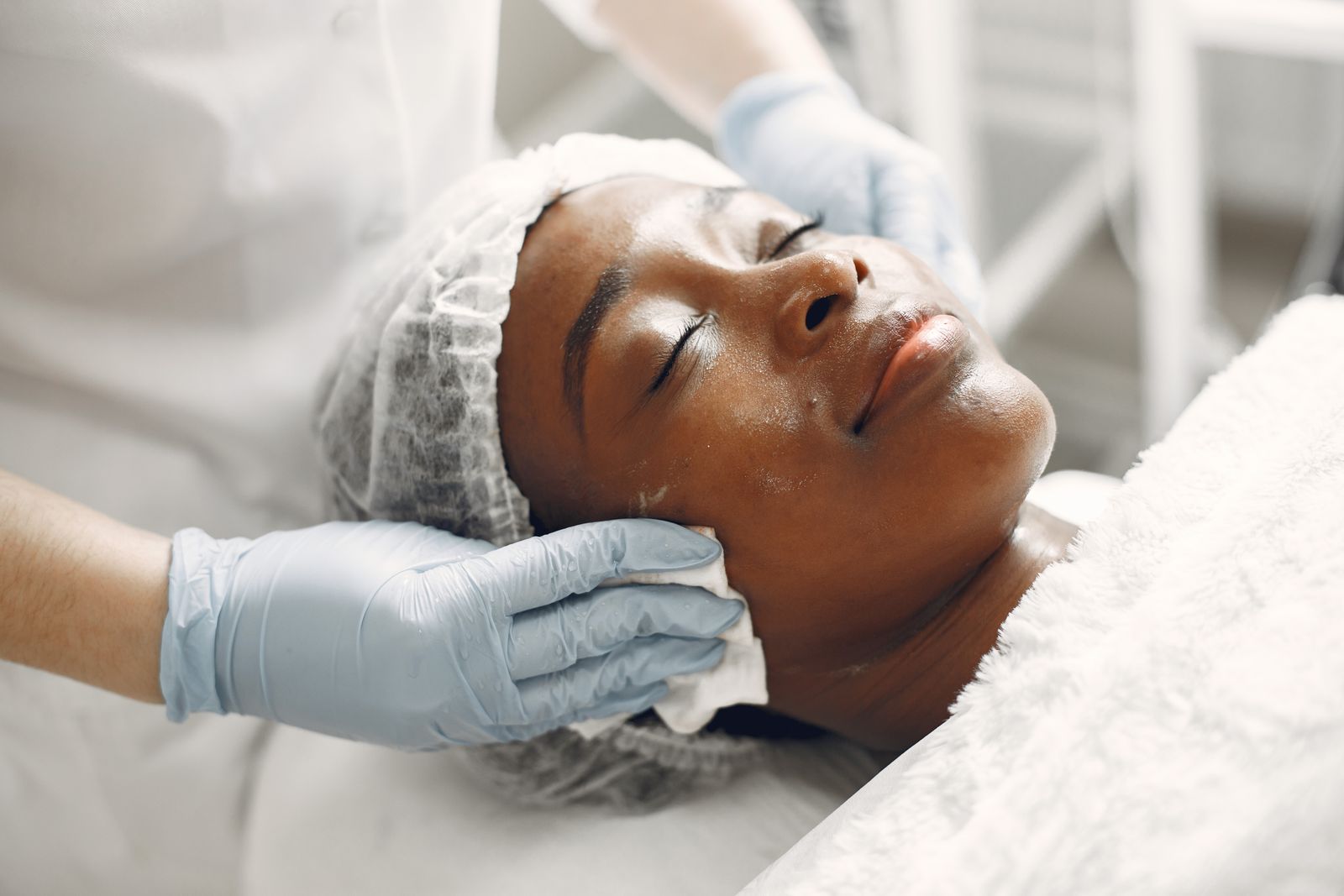
A chemical peel uses a selected substance to produce a controlled effect within skin layers, aiming to improve a defined concern such as uneven colour, texture, some acne patterns or fine lines. It is more than a cleansing treatment. The decision should begin with diagnosis and whether peeling is suitable at all, followed by the choice of depth, preparation and aftercare. Dramatic visible shedding is not the goal in itself.
Why peel types differ
Peels may be superficial, medium-depth or deep, with different effects, risks and recovery requirements. The acid name alone does not determine depth: formulation, concentration, application and the condition of the skin all matter. Everyday acid-containing skin care is not interchangeable with a medical peel. A product name or percentage should therefore not be turned into a home treatment recipe, and greater strength does not automatically mean a better outcome.
What a peel may help
Selected peels may improve superficial pigmentation, uneven texture, some acne and fine lines. Alpha hydroxy acids such as glycolic and lactic acid appear in both skin-care products and professional treatments, depending on formulation and use. Benefit depends on the actual concern and its depth. Deep scars, loose skin or recurrent melasma cannot automatically be solved by one peel and may require a different or more conservative plan.
Skin tone and pigmentation risk
Post-inflammatory colour change is an important consideration, especially after previous pigmentation from spots, injuries or procedures. This does not mean every peel is excluded, but selection, timing and intensity need care. Ask about experience treating your skin tone and condition, and whether starting with topical care, checking suitability or postponing treatment would be preferable. A consultation should address personal risk rather than offer the same protocol to everyone.
Information to share beforehand
Mention current and recent medicines, including acne treatment, and all exfoliating or prescription creams. Discuss cold sores, allergies, healing difficulties, raised scars, pregnancy or breastfeeding and recent procedures. Inflamed, infected or sunburned skin needs assessment before peeling. Do not independently stop a prescribed medicine or start a strong preparation cream simply because it appears in an online protocol. Preparation should be matched to the proposed procedure and the individual.
Making an informed decision
- Clarify the problem being targeted, likely benefit, limitations and alternatives, including delaying treatment.
- Ask who will perform the procedure, how complications are managed and whom to contact if an unexpected symptom appears.
- Obtain clear preparation and aftercare instructions, including which products or activities need to be avoided.
- Discuss recovery in relation to work, events and sun exposure, as well as total cost and follow-up, without pressure to decide immediately.
Recovery varies
Redness, tightness and shedding may occur. Deeper treatment generally requires more care and recovery than a superficial peel. The clinician should explain cleansing, moisturising, makeup and when active products can restart. Do not pull away peeling skin or scrub it to accelerate the result. Adding an acid or mask because the skin feels dry can cause further irritation. Sun protection remains important, and any additional sessions should be based on reassessment rather than an automatic package.
Why strong home peels are risky
The US Food and Drug Administration has warned against purchasing or using certain peel products without appropriate professional supervision because of serious injury risk. Availability in an online shop does not establish suitability for home use. Inappropriate exposure can cause burns, pain, swelling, infection, lasting colour changes or scarring. Do not increase concentration, extend contact time or mix acids to reproduce a procedure seen in a video.
Warning signs after treatment
Must skin visibly peel for treatment to work?
No. Visible shedding differs with the procedure and individual response. Improvement in the agreed concern, appropriate healing and assessment at the expected review point are more meaningful measures.
Is a peel suitable immediately before an important event?
Timing depends on the procedure and anticipated recovery. Redness, shedding or pigmentation cannot be guaranteed to resolve on a fixed date for everyone. Discussing the event early leaves time for planning and review.
Sources and further reading
AAD — Chemical peels overviewAAD — Chemical peels FAQsAAD — Chemical peels preparationDermNet — Chemical peelsDermNet — Alpha hydroxy acid facial treatmentsFDA — Chemical peel products warningNHS — Acid and chemical burnsThis information is educational and does not replace an individual medical assessment. Results and suitability vary.