Eczema describes a group of inflammatory skin conditions. Atopic eczema is a common form that may begin in childhood or later life. Symptoms often settle and then return. Itch can disrupt sleep, school, work and concentration, so successful care involves more than making a rash look better. The aim is to control inflammation, protect the skin barrier and create a routine that remains manageable between flares.
Why does eczema keep returning?
In atopic eczema, the skin barrier is less effective at retaining moisture and keeping irritants out. Immune activity and inherited susceptibility also contribute. Soap, fragrance, friction, heat or sweating may therefore become troublesome. A family history of eczema, asthma or hay fever can be relevant, but it does not mean every flare is caused by a food allergy. Eczema is not infectious and is not a sign of poor hygiene.
Recognising different appearances
Skin may feel dry, itchy, cracked or scaly. Repeated scratching can make it thicker. The distribution changes with age: the face is commonly affected in babies, while folds and hands may be prominent in older children or adults. In darker skin, inflammation may look brown, grey or purple rather than bright red. Changes in texture, warmth and discomfort are useful observations alongside colour.
What happens during assessment?
A clinician considers the pattern, duration and impact of symptoms, previous treatment and possible exposures. Contact dermatitis and other disorders can resemble atopic eczema. Bring the names of skin products, medicines and any photographs taken during a flare. Tests are selected when they can clarify the diagnosis or change management; a broad allergy panel is not automatically necessary for everyone with itchy skin.
Building a practical skin-care routine
- Use gentle cleansing and comfortably warm water. Avoid vigorous scrubbing, very hot bathing and fragranced products that irritate the skin.
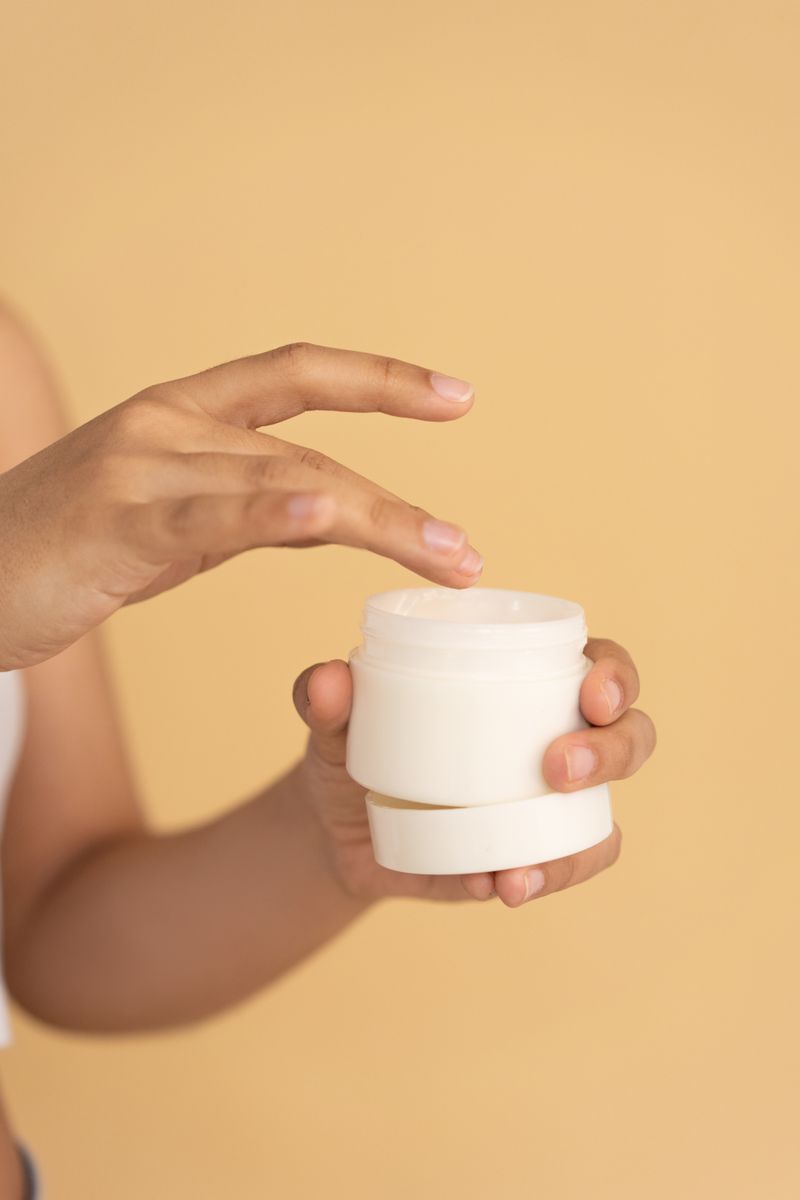
- Apply a suitable moisturiser regularly, including when the rash is quiet. Persistent stinging from a product is a reason to discuss alternatives.
- Pat skin dry and choose comfortable clothing. Notice whether sweat, rough fabric or overheating precedes a flare.
- Keep fingernails short and ask for help with night-time itching rather than treating broken sleep as an unavoidable part of eczema.
How treatment is chosen
Many plans combine moisturising care with prescribed treatment that reduces skin inflammation. The appropriate product and strength depend on age, body site and severity; face and skin-fold treatment needs particular care. More extensive or persistent disease may need phototherapy or systemic medicines. These options require individual assessment and monitoring. Tanning is not a substitute for medical phototherapy. Medicated wraps and mixed steroid creams should not be improvised.
Looking for triggers without unnecessary restrictions
A short record of products, activities and symptoms can reveal patterns. Changing everything at once makes those patterns harder to interpret. Restrictive diets are not a standard answer to eczema, especially for growing children, and food exclusions should have a clinical reason. Products described as natural may still contain fragrances or allergens. Recording the actual product name and ingredients is more useful than simply labelling it sensitive or herbal.
When should help be urgent?
Measuring progress
Reduced itch, better sleep, fewer cracks and longer comfortable intervals are useful goals. Colour changes can remain after active inflammation settles. Explain any difficulty following the plan, including cost, texture or the number of products, so these practical barriers can be addressed. Ask which steps belong to a flare plan, which continue between flares, and when lack of improvement should trigger another review.
Is eczema the same as a food allergy?
No. They can coexist, but eczema is not automatically explained by a single food. A clinician considers the history and specific reactions before recommending allergy investigation or dietary change.
Should all care stop when the skin improves?
Barrier care often remains useful between flares. Decisions about prescribed anti-inflammatory treatment belong in the agreed plan; an old prescription should not be reused for every new, undiagnosed rash.
Sources and further reading
NHS — Atopic eczemaAAD — Atopic dermatitis symptomsAAD — Atopic dermatitis causesAAD — Atopic dermatitis treatmentAAD — Atopic dermatitis self-careDermNet — Atopic dermatitisThis information is educational and does not replace an individual medical assessment. Results and suitability vary.