A small growth on the neck, hand or foot cannot be identified reliably from size alone. Skin tags, warts and several other growths may resemble one another. An unusual lesion sometimes needs closer assessment before removal. The first decision is what the growth actually is, where it is and whether it causes symptoms. Not every bump needs treatment, and a wart-removal product is not automatically suitable for a skin tag or a sensitive area.
Understanding skin tags
A skin tag is a usually soft, benign growth, sometimes attached by a narrow stalk. Tags commonly occur where skin, clothing or jewellery rubs, including the neck, armpits and folds. They may match the skin or look darker. Their presence alone does not diagnose an internal illness. Irritation, catching or bleeding can make removal worth discussing, after confirming that the lesion really is a skin tag.
Understanding warts
Ordinary skin warts are caused by human papillomavirus types that infect the skin. They can be rough or flat and may contain tiny dark dots. Warts on the sole can hurt with walking and resemble corns. Genital lesions need their own assessment; the approach to an ordinary hand or foot wart cannot simply be transferred to the face or genital area. Appearance and location both influence management.
Can warts spread?
Unlike ordinary skin tags, the virus causing warts can spread through contact and to other areas when a lesion is picked or damaged. Biting, scratching or shaving across a wart can contribute. Having several warts is not proof of poor hygiene, and the source of infection is often impossible to identify. Prevention focuses on reducing transfer and skin injury while deciding whether treatment is appropriate.
What assessment considers
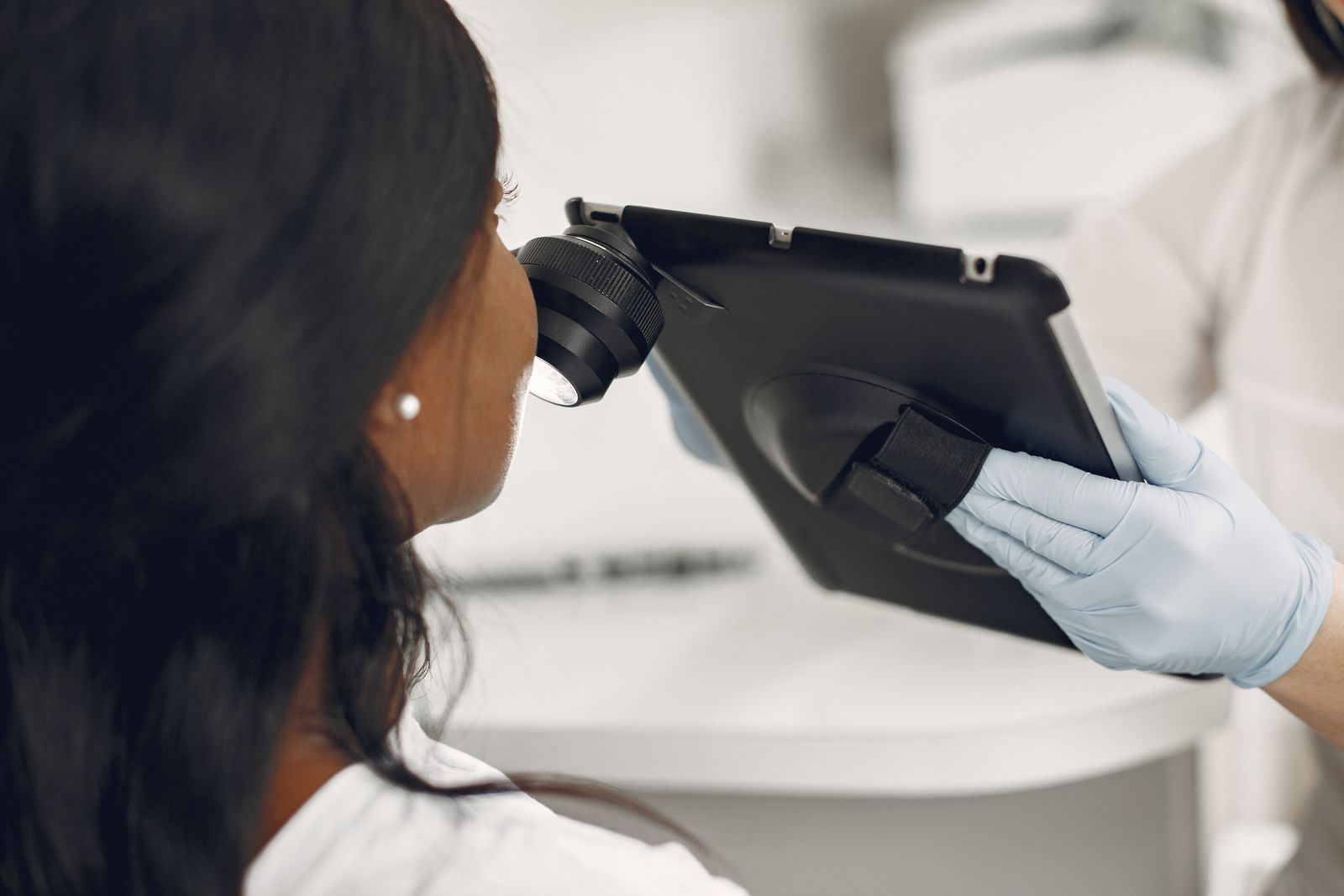
The clinician examines texture, growth rate, location, bleeding and any ulceration or unexpected change. Sometimes examination is sufficient; an uncertain or unusual lesion may need a sample for diagnosis. Mention diabetes, immune suppression, medicines that affect bleeding and previous healing problems. Also describe any attempted treatment with acids, tying, cutting or burning. These details can change the safest next step and explain recent inflammation.
Deciding whether to remove a tag
A confirmed, comfortable skin tag may be left alone. Removal can be considered for friction, symptoms or cosmetic preference. A clinician chooses a method such as controlled cutting, freezing or heat-based removal according to the lesion. Possible effects include bleeding, scarring and darker or lighter skin. Discuss those possibilities and expected healing before treatment, even when the growth is tiny. Small procedures still need a clear diagnosis and appropriate technique.
Wart treatment has different expectations
Some warts disappear without treatment, while others persist or recur. Topical treatments and procedures such as freezing are among the options, and repeated treatment may be needed. Number, site, pain, age and immune status matter. No method guarantees that every wart will clear in one session. Treating an unidentified growth as a wart can damage skin and delay recognition of a different condition.
- Do not cut, tie off or burn an unidentified growth at home; bleeding, infection and scarring can follow.
- Avoid sharing shaving or grooming tools that contact a wart, and do not use the same tool on surrounding healthy skin.
- Do not pick warts or bite surrounding skin. Ask how to protect a lesion that catches or bleeds.
- Seek advice before home wart treatment if diabetes, reduced sensation or a weakened immune system is present.
Aftercare and warning signs
Aftercare depends on the procedure and location. Ask about cleaning, dressings, shaving, swimming and the expected healing appearance. Persistent bleeding, increasing pain, pus or spreading inflammation with fever need prompt assessment. A rapidly changing, spontaneously bleeding or ulcerated growth should be examined before cosmetic removal rather than assumed to be a familiar harmless tag. Photographs can help explain change, but they cannot replace examination when the diagnosis is uncertain.
Can a wart remover be used on a skin tag?
Do not assume so. Wart products can burn other growths or healthy skin, especially on the face and in folds. Confirm the diagnosis and suitable treatment before applying a product.
Does recurrence mean removal failed?
A wart can return, and new skin tags can develop elsewhere later. Their behaviour differs. A review can distinguish recurrence from a different growth that needs a new diagnosis.
Sources and further reading
AAD — Skin tagsNHS — Skin tagsNHS — Warts and verrucasAAD — Warts treatmentAAD — Warts self-careDermNet — Skin tagsDermNet — Viral wartThis information is educational and does not replace an individual medical assessment. Results and suitability vary.