Your skin deserves care that understands it.
With Dr. Mona Samir, care begins with a thoughtful assessment of your skin and a treatment plan tailored to your individual needs.
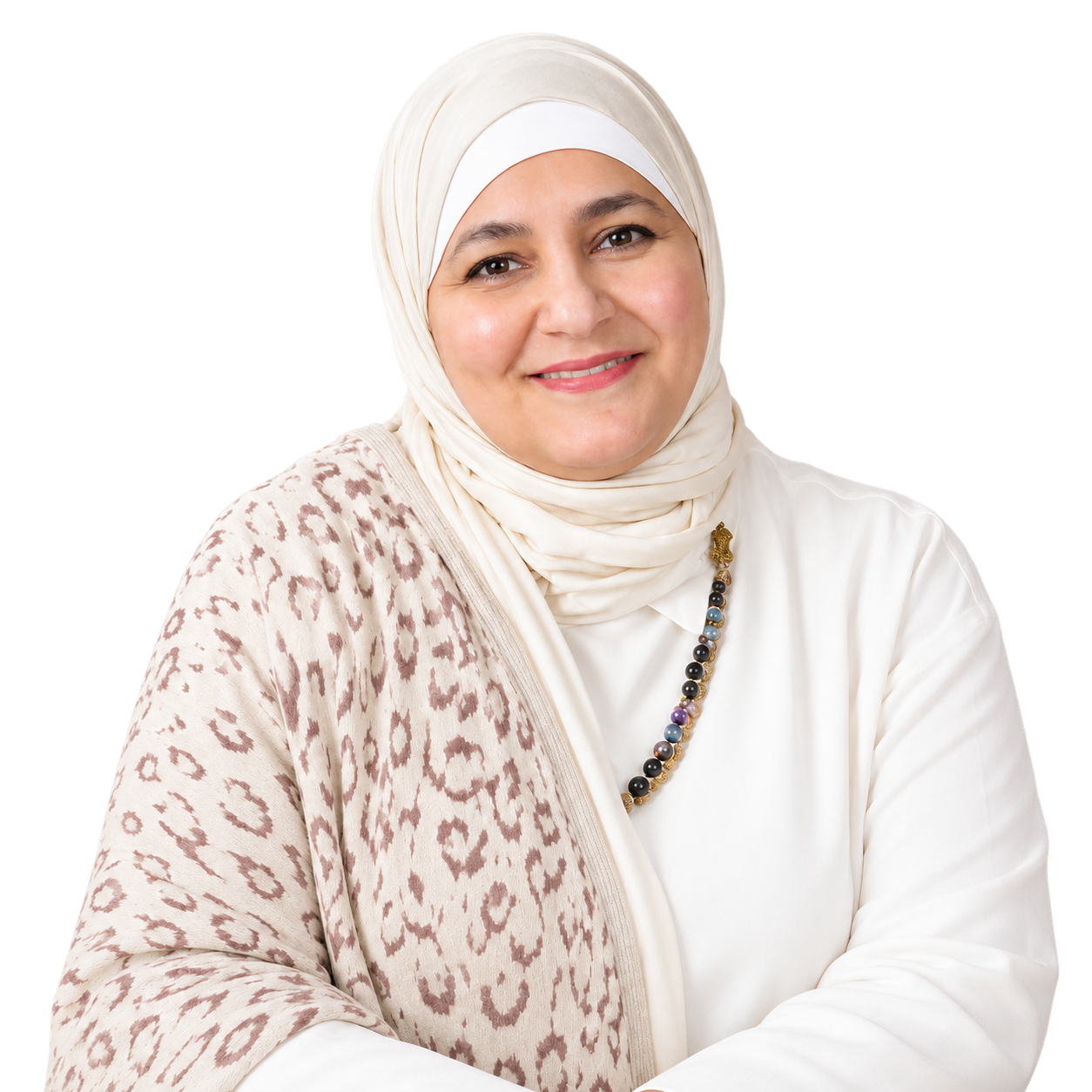
Dr. Mona Samir
Consultant in Dermatology, Aesthetics & LaserDr. Mona Samir — Consultant in Dermatology, Aesthetics & Laser. Care begins with listening, understanding your concerns and discussing appropriate options before deciding on treatment.
Our approach to careEvery skin has a story. Every concern deserves care.
Medical dermatology
Assessment and care for allergies, eczema, psoriasis, vitiligo and other common or chronic skin conditions.
Explore care
Acne & acne scars
Care for acne and its marks, with assessment of scars and options to improve their appearance.
Explore care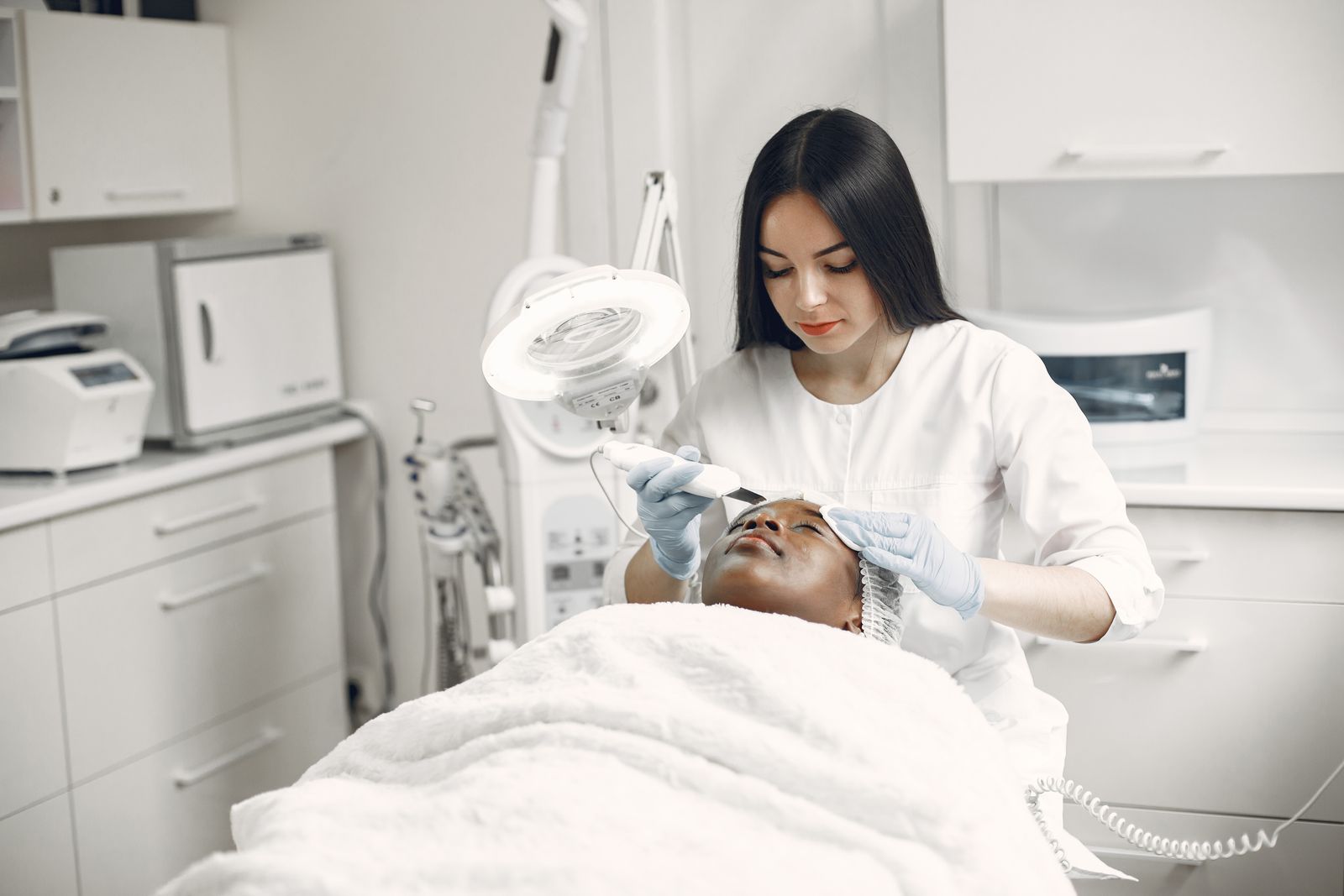
Skin care & rejuvenation
Cleansing, hydration, peels, hydrafacial-type care and microneedling, selected after assessment.
Explore care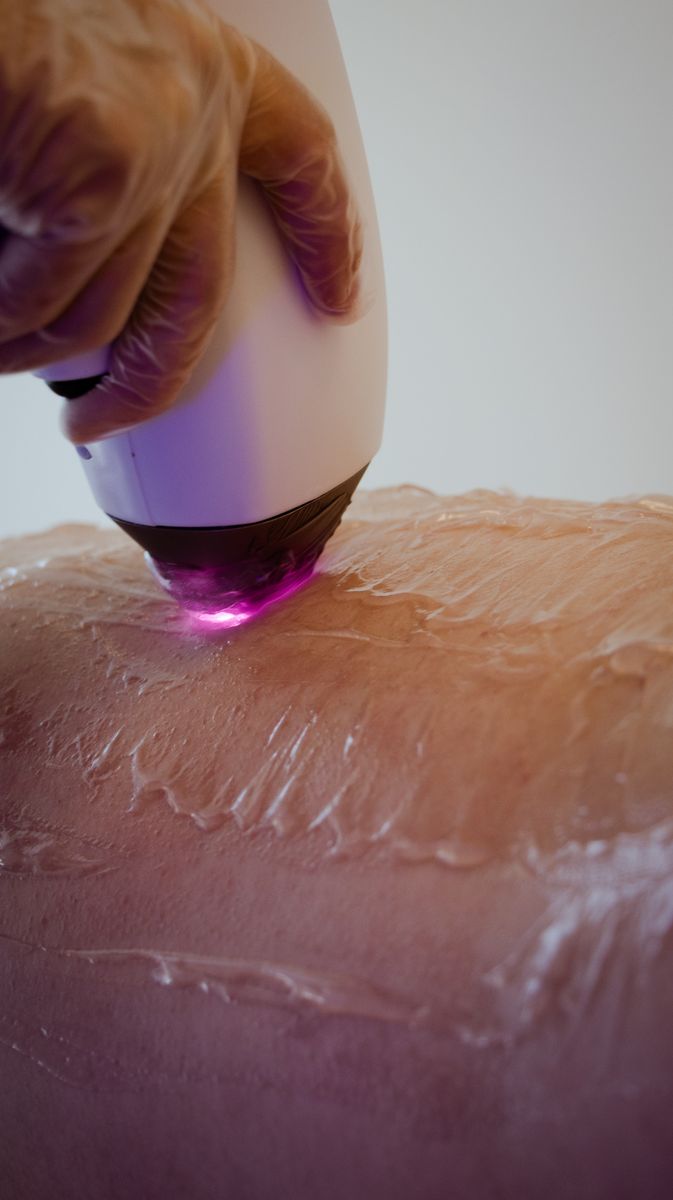
Laser hair removal
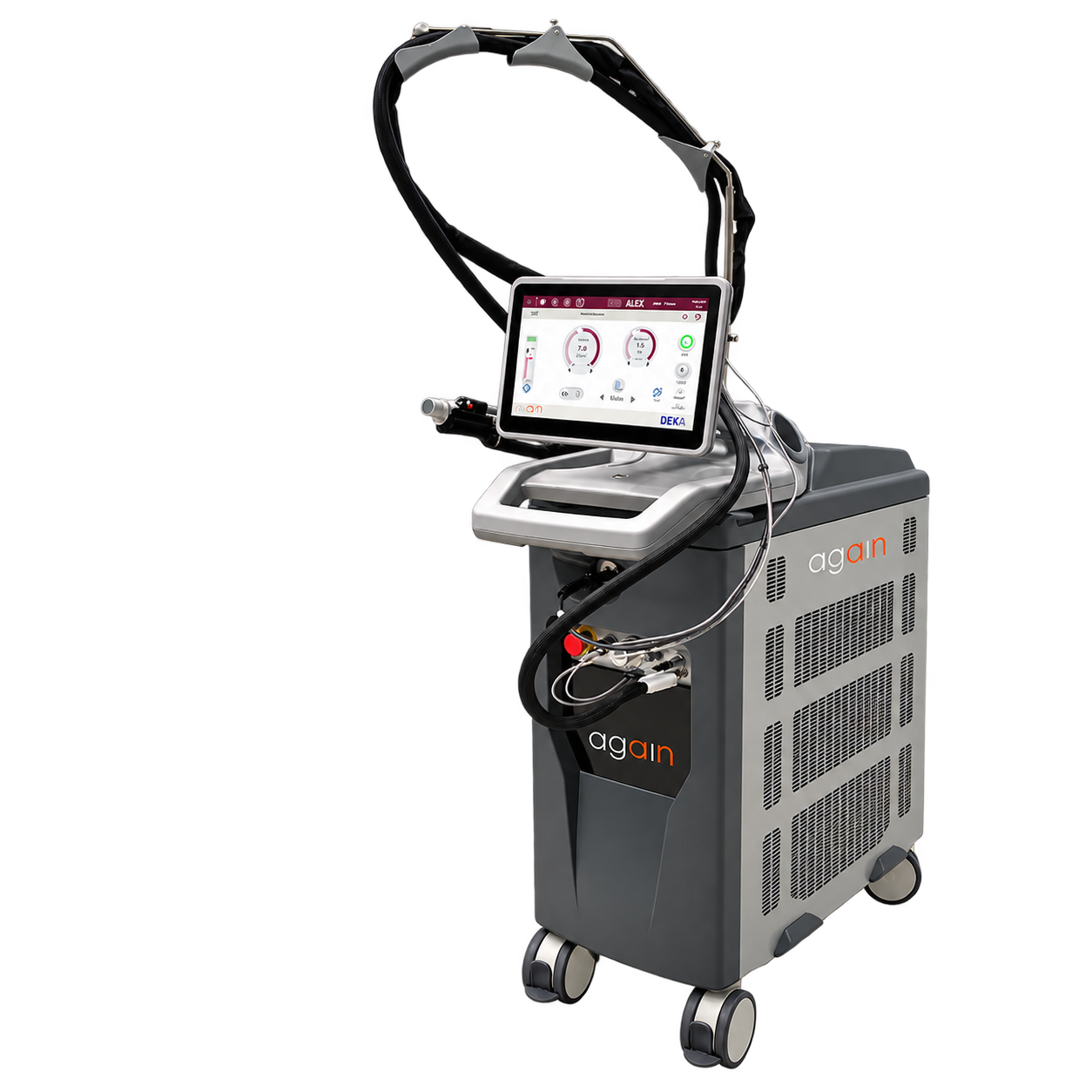
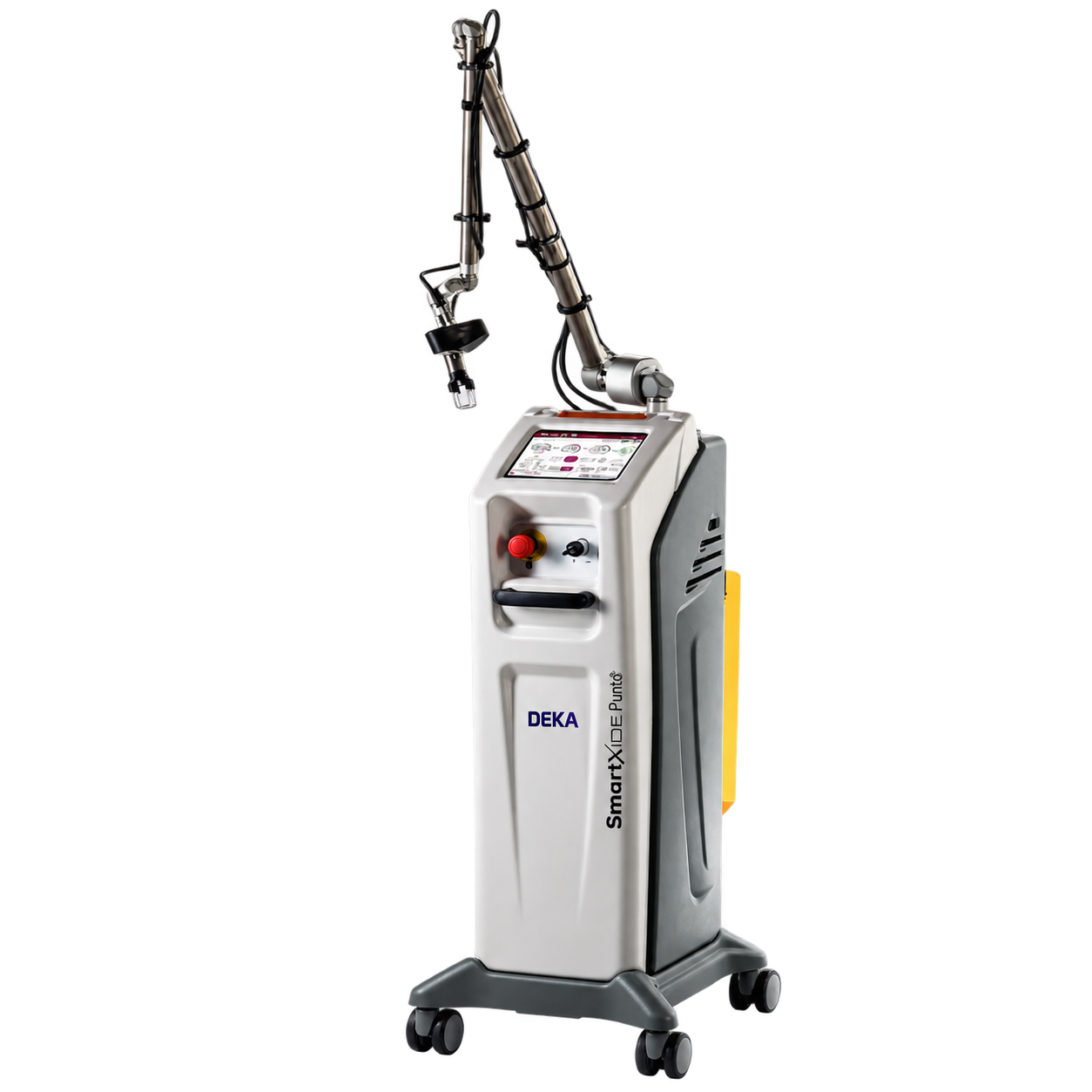
Hair removal with a DEKA device offering Alexandrite and Nd:YAG technologies, after skin and hair assessment.
Explore careConsidered technology. Individual needs.
Alexandrite and Nd:YAG technologies for laser hair removal.
Explore the technologyRepresentative device image; the clinic’s actual model is to be confirmed.

Confidence at every step.
From the first consultation to follow-up, we listen to what matters and discuss what fits.
Start with a consultation- 01
Understand your needs
Listening, examination and individual assessment.
- 02
Discuss your options
A clear plan, realistic expectations and a discussion of alternatives.
- 03
Follow your progress
Aftercare and follow-up according to your needs.
A moment with Dr. Mona
A clearer understanding of your skin. More informed choices.
Knowledge, in your doctor’s own words.
Approved videos will appear here when available. Follow the doctor’s page for updates.
Knowledge to guide your choices.
How to choose an aesthetic treatment that fits your needs
A practical guide to goals, alternatives, recovery, risks, and cost, with room to decide without pressure.
Read the story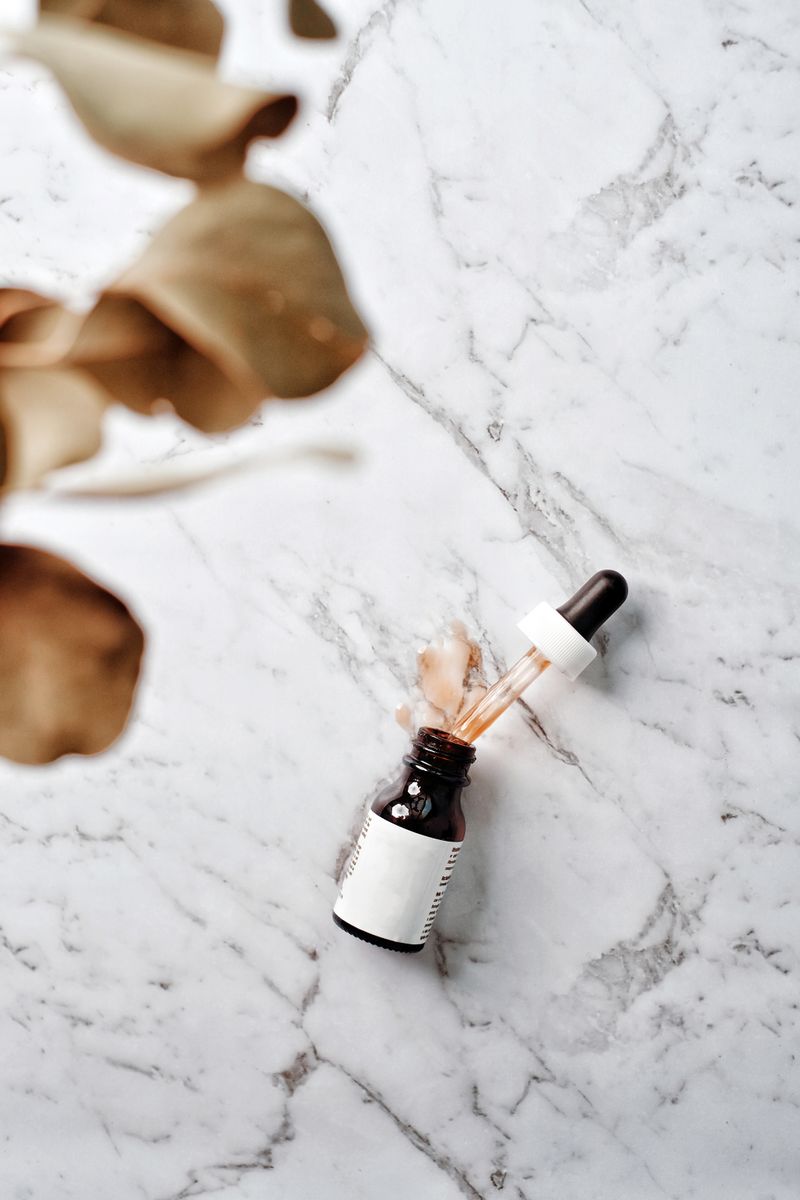
Melasma and pigmentation: start with the cause
Melasma and post-inflammatory marks need different decisions. Learn about light protection, treatment planning and realistic expectations.
Read the story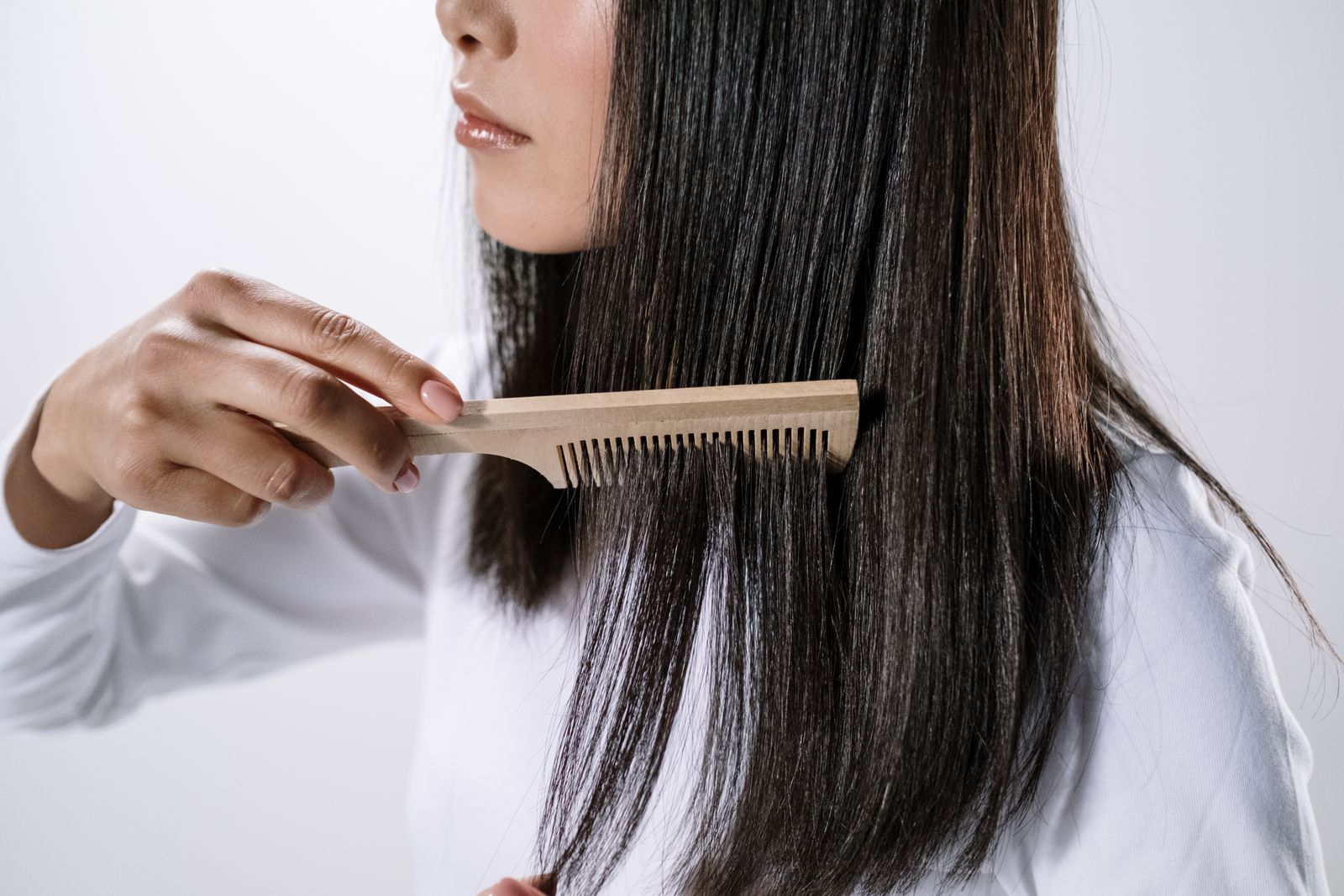
Hair loss in women: understanding the pattern and the cause
How temporary shedding, inherited thinning, and breakage differ, and when your scalp needs assessment.
Read the storyCare, closer to you.
Al Ayat Clinic
Al Ayat — Giza
Saturday, Monday & Thursday · 12:00 PM–6:00 PM
Sheikh Zayed Clinic
Sheikh Zayed — Giza
Sunday, Tuesday & Wednesday · 2:00 PM–8:00 PM
Our Sheikh Zayed clinic also welcomes visitors from 6 October.
Clear answers. Before your next step.
Does every type of acne need the same treatment?
Treatment depends on the type, severity and location of the breakouts, and some other skin conditions can resemble acne. An examination helps confirm the diagnosis and guide a suitable plan, especially when breakouts persist despite your usual care.
What is the difference between acne marks and scars?
Flat marks left after acne may be changes in skin colour, while scars alter the skin's texture and may be indented or raised. An examination helps distinguish them because pigmentation and scarring need different approaches.
Does squeezing pimples help them heal?
Squeezing or picking pimples can worsen inflammation and increase the chance of lingering marks or scars. Leave them alone and discuss deep or troublesome breakouts with your dermatologist instead of trying to drain them at home.
Will one brightening cream work for every dark spot?
Dark spots have different causes, including previous inflammation and skin irritation, so identifying the cause comes first. Sun protection is an important part of care, while products or procedures should be selected for your skin to avoid further irritation.
When should acne treatment start to help?
Improvement takes time, so a few days are usually too soon to judge a plan; fewer breakouts may appear after 6–8 weeks, with clearer skin taking longer. Follow your clinician's instructions and report troublesome irritation instead of repeatedly switching products.
Is eczema contagious, and why can it come back?
Atopic eczema is not contagious and can flare again with triggers such as soap, heat or stress. Regular moisturising and identifying irritants support skin care; your dermatologist can assess what is needed when flares recur.
Your first step towards care that understands you.
Let’s find what is right for your skin.
Request your consultation